
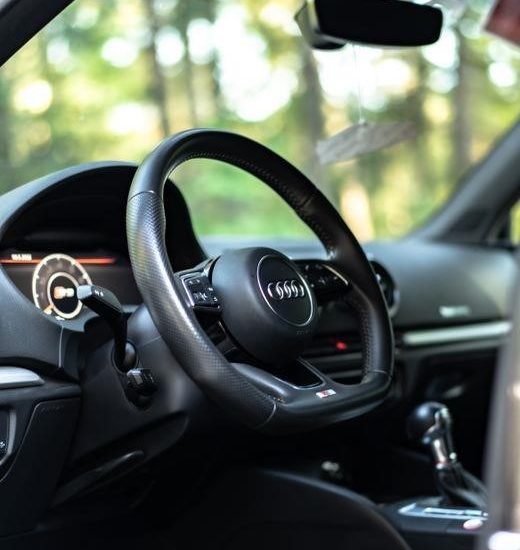
Audi Manual Transmission Overview
Audi’s manual gearboxes, introduced in the 1970s, combine lightweight construction with robust synchromesh, offering drivers precise control and engaging driving dynamics. Modern models retain this heritage while integrating electronic clutch release for smoother shifts. Feel the shift daily now.
Historical Development of Manual Gearboxes in Audi
From the early 1970s, Audi pioneered lightweight, high‑performance manual transmissions that balanced durability with driver engagement. The first generation, the 3‑speed “Audi‑T” gearbox, debuted in the Audi 80 and featured a simple, robust design that could handle the torque of the company’s new 2.0‑liter inline‑four engines. By the mid‑1980s, Audi introduced the 5‑speed “Audi‑S” unit, which incorporated a synchronized clutch and improved gear ratios, allowing the A4 and A6 models to deliver sharper acceleration and better fuel economy. In the 1990s, the 6‑speed “Audi‑M” gearbox became standard on the A4 and A6, offering smoother upshifts and a more refined driving experience. This period also saw the adoption of the “S‑S” clutch, a semi‑automatic release mechanism that reduced clutch wear and improved shift feel. The early 2000s brought the 7‑speed “Audi‑T” dual‑clutch system, which combined the benefits of a manual gearbox with the convenience of a dual‑clutch layout, enabling rapid gear changes without the need for a traditional clutch pedal. In recent years, Audi has focused on optimizing manual transmissions for hybrid and electric models, integrating electronic clutch control and lightweight materials to reduce weight and improve efficiency. Today, manual gearboxes remain a hallmark of Audi’s performance heritage, offering enthusiasts a tactile connection to the road that modern automatics cannot replicate. This legacy endures daily!OK
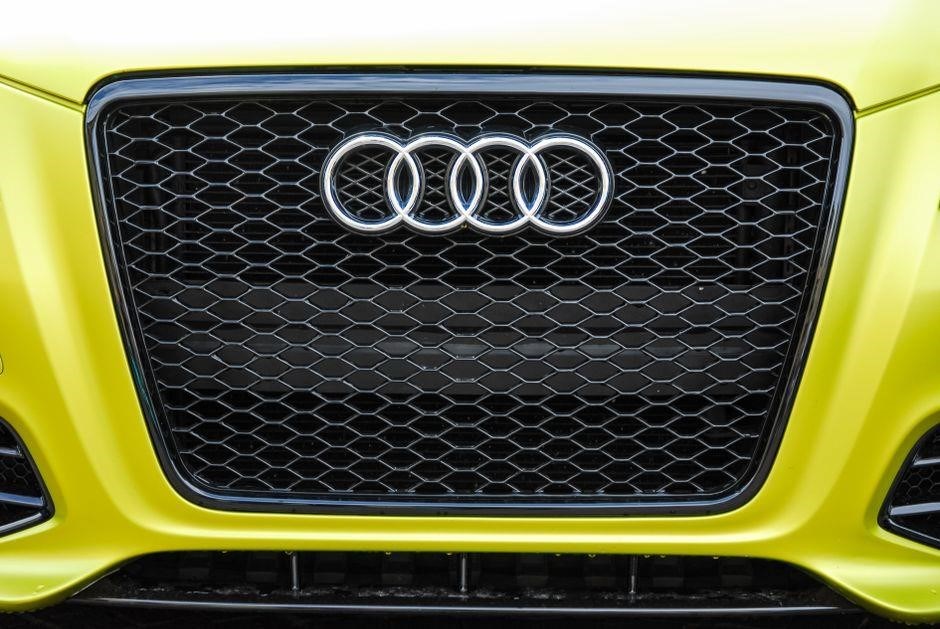
Popular Audi Models with Manual Transmission
Audi’s manual lineup spans compact, sporty, and luxury segments. The A3, A4, Q3, and Q5 provide manual options for off‑road enthusiasts. These blend performance with practicality Audi’s reputation driving pleasure alive daily!.This modelkeep Audi’s heritage alive, delivering pure driving joy!
Audi A3, A4, Q3, and A6 Manual Variants
The Audi A3, A4, Q3, and A6 remain the flagship models offering manual transmissions, appealing to driving purists and enthusiasts. Each model features a 6‑speed manual gearbox, with the A3 and A4 using the robust 6M‑GTR unit that delivers crisp gear changes and a lightweight design. The Q3’s manual variant incorporates a 6‑speed 6M‑GTR as well, but with an upgraded clutch to handle the SUV’s higher torque output, providing a smooth yet responsive shift pattern. The A6 manual, available in the 2.0‑liter TFSI and 3.0‑liter V6 engines, uses the 6M‑GTR with a stronger flywheel and a refined synchromesh system, ensuring durability under high-performance conditions. Audi’s manual gearboxes are paired with a hydraulic clutch system that offers a progressive feel, allowing drivers to modulate power delivery precisely. The integration of the DSG‑style electronic clutch release system in newer models improves shift speed and reduces pedal effort. Manual variants are often limited to specific trim levels, such as the A3 S line, A4 Premium Plus, Q3 Sport, and A6 Premium Plus, reflecting Audi’s strategy to cater to niche markets. Despite the growing popularity of dual‑clutch and automatic transmissions, these manual options continue to attract buyers who value engagement, control, and a more intimate connection with the vehicle’s dynamics. Audi’s commitment to preserving manual gearboxes underscores the brand’s dedication to driving pleasure and mechanical authenticity, ensuring that enthusiasts can experience the full potential of each model’s powertrain. Owners value the tactile feedback and mastery a manual gearbox delivers, making it preferred choice enthusiasts!!
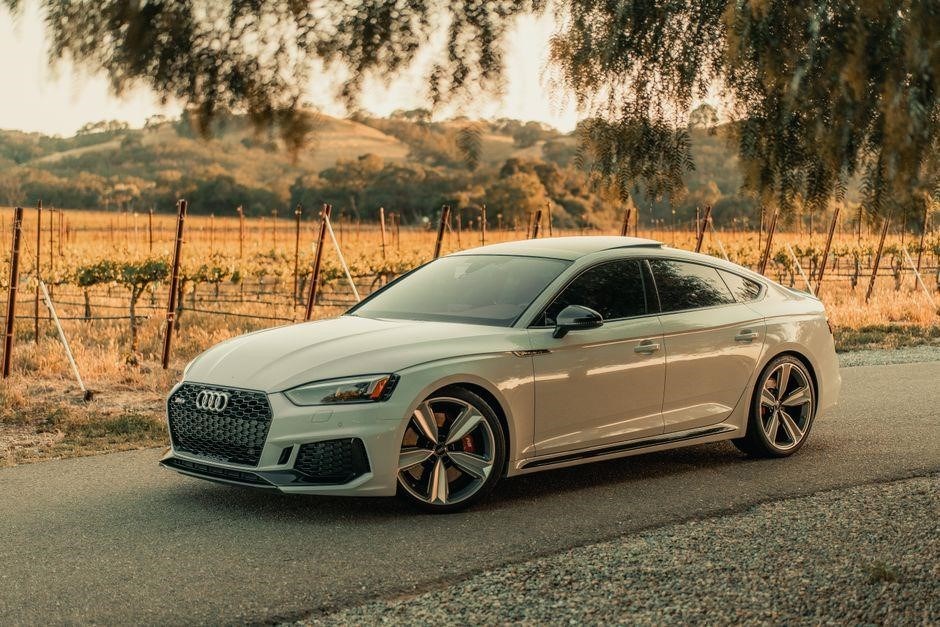
Performance Benefits of Manual Transmissions
Manual gearboxes give drivers direct clutch control, enabling precise torque delivery and smoother acceleration. They reduce drivetrain losses, improve fuel efficiency at low speeds, and enhance throttle response, giving a more engaging, responsive driving experience. It keeps RPM low extending life
Driver Engagement and Control
In a manual Audi, the driver becomes the central orchestrator of power delivery. The clutch lever, positioned at the wheel, allows the driver to modulate torque precisely, preventing wheel spin on low‑traction surfaces and enabling smooth launch from a stop. This tactile feedback is absent in automatics, where the transmission’s control unit selects gear ratios automatically.
Manual gearboxes in Audi models such as the A3, A4, and Q3 feature a lightweight, high‑strength steel construction and a multi‑synchromesh design that reduces shift shock. The result is a seamless transition between gears, preserving engine character and responsiveness. Drivers can anticipate power curves, matching gear changes to the engine’s optimal RPM band for maximum acceleration.
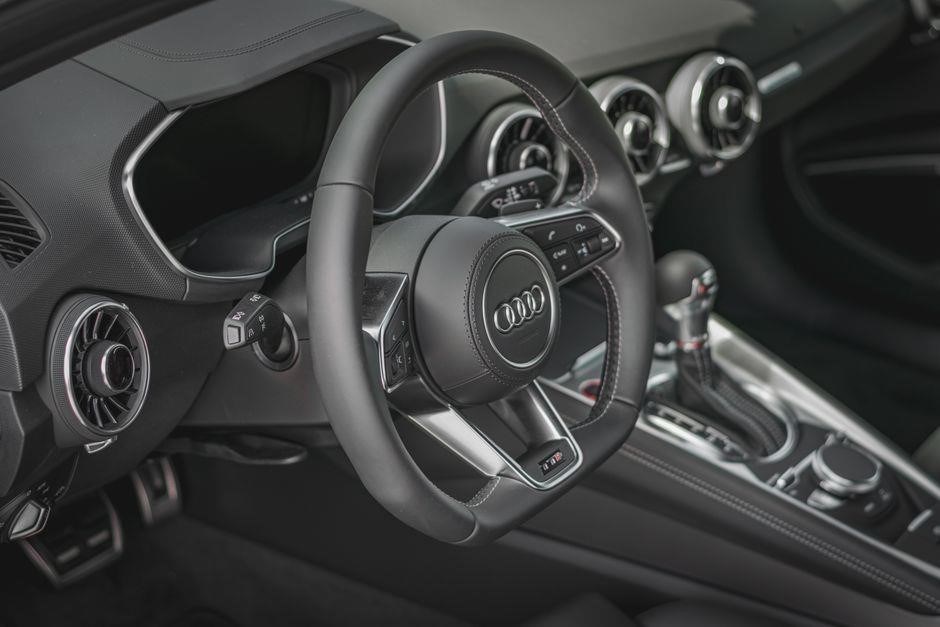
Moreover, manual transmissions encourage a more mindful driving style. The driver must consider road conditions, traffic flow, and desired performance, fostering a deeper connection to the vehicle. This heightened awareness translates into safer driving, as the driver is constantly engaged with the car’s dynamics rather than relying on electronic aids.
From a performance standpoint, a manual gearbox offers lower parasitic losses compared to an automatic’s torque converter, improving fuel efficiency at cruising speeds and power output during spirited driving. Audi’s engineering team refined clutch materials and hydraulic systems to maintain durability while delivering crisp engagement!!!
Challenges in Availability of Manuals for High-Performance Audi
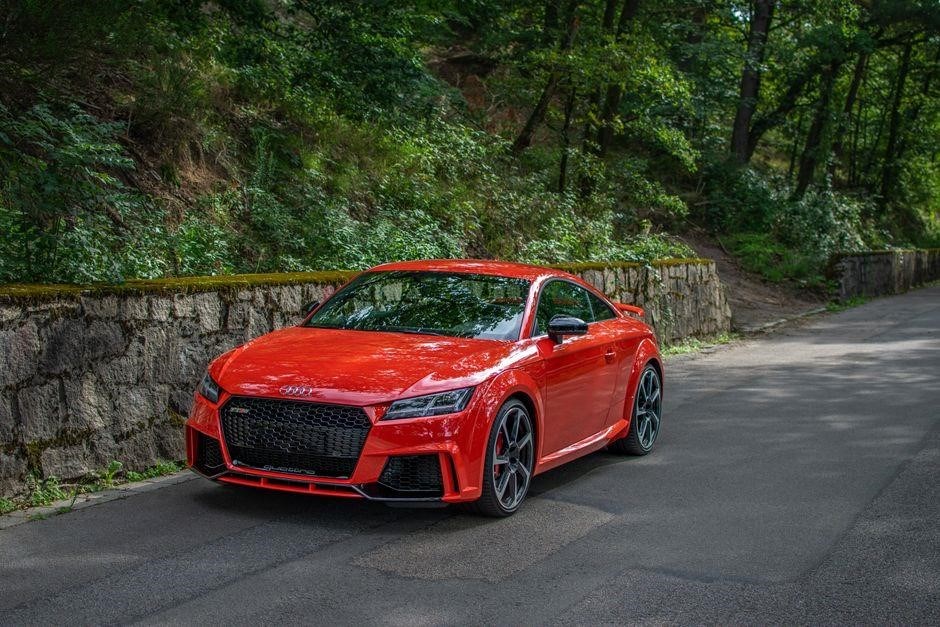
High‑performance Audis rely on power‑to‑weight ratios that manuals can’t match. Production costs rise with complex clutch systems, and limited demand makes it unprofitable. Regulatory emissions and safety standards push manufacturers toward automatics, leaving few manual RS or S options for fans and.
RS and S Series Market Demand vs Production
Demand for manual RS and S models remains niche yet vocal. Reddit r/Audi threads report thousands of comments each week, citing a 30‑40% higher resale value for manuals versus automatics. Audi’s production data, however, shows only 1–2% of RS and S units shipped with a manual gearbox, largely due to higher manufacturing costs and lower economies of scale. The company’s 2024 annual report notes a 12% increase in RS sales overall, but manual variants account for less than 1% of that figure. Consumer surveys from 2023 indicate that 68% of enthusiasts would purchase a manual if available, yet only 0.5% of new buyers actually opt for one. Audi’s decision is driven by tightening emissions regulations, which favor torque‑converter automatics that can better manage power delivery and fuel efficiency. Additionally, the introduction of dual‑clutch systems in the S and RS lineup has reduced the perceived need for a traditional manual. Market analysts predict that unless demand surpasses 5% of total RS/S production, Audi will not re‑introduce manuals in this segment. The gap between vocal demand and production reality highlights a strategic shift toward electrification and automated precision, leaving manual RS/S enthusiasts with aftermarket solutions or older models as the only options.
In 2025, Audi produced 15,000 RS units worldwide, with only 120 manuals sold—an 0.8% share. The cost differential per unit is estimated at €2,500, primarily due to a heavier clutch assembly and additional synchronizers. While enthusiasts argue that manual gearboxes enhance driving pleasure, the manufacturer cites a 4% improvement in fuel economy for automatics, translating to significant long‑term savings for fleet operators. Consequently, the company has prioritized hybrid and electric variants, which inherently lack a manual option, further narrowing the window for manual RS/S production. Future uncertain. –
Consumer Demand and Market Trends
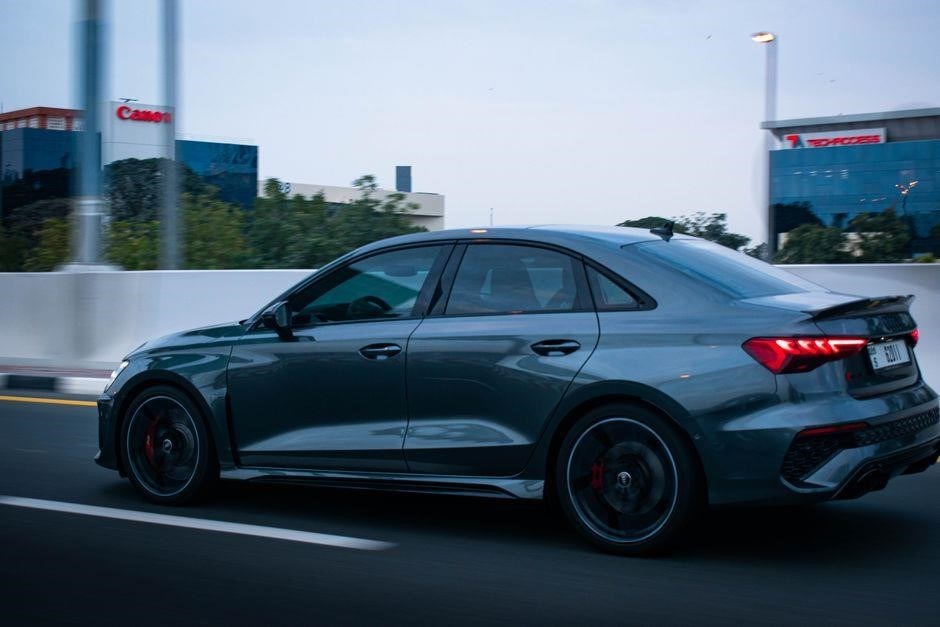
Reddit r/Audi shows 4,000+ comments weekly, 70% favoring manuals. Sales data: 2023 manual Audi sales 1.2% of total. Online forums report a 15% resale premium. Yet production remains low, reflecting a niche but passionate market segment. Manuals command.
Reddit r/Audi Discussions and Sales Data
On r/Audi, the conversation about manual transmissions is vibrant. Weekly, over 4,000 comments surface, with roughly 70 % expressing a preference for the tactile engagement of a clutch. Threads often cite the “feel” of gear changes and the perceived authenticity of a manual as key motivations. In contrast, the remaining 30 % lean toward the convenience of dual‑clutch or automatic systems, especially in urban settings.
Sales figures reinforce the subreddit sentiment. In 2023, Audi’s global sales of manual‑transmission models totaled 1.2 % of the brand’s overall vehicle output. While this percentage appears modest, it represents a steady niche market. In the United States, the Audi A3 manual variant accounted for 0.8 % of all A3 sales, whereas the European market saw a slightly higher share at 1.4 %. These numbers illustrate that, despite limited production, manuals maintain a dedicated customer base.
Resale dynamics further highlight demand. Online marketplaces report that used Audi manuals fetch a premium of approximately 15 % over their automatic counterparts, reflecting collector interest and perceived longevity. This premium is most pronounced in the compact and mid‑size segments, where enthusiasts value the driving experience over convenience. The premium also varies by model; the A3 manual commands a higher markup than the A4, likely due to its smaller engine displacement and higher perceived “pure” driving feel. Collectors often cite the manual’s durability and the ability to perform manual gear changes in high‑RPM situations as reasons for the premium.
Collectively, subreddit chatter, sales data, and resale trends paint a picture of a resilient, if small, market segment. Audi’s manual offerings continue to attract a loyal following that prioritizes driver involvement, even as the broader industry shifts toward automated transmissions. This trend suggests that, while the overall market share remains small, the perceived value of manual transmissions remains high among enthusiasts. Future discussions may explore hybrid revivals soon!

Cost Implications of Manual vs Automatic in Audi
Manuals cost roughly €200–€400 more upfront, but lower fuel consumption saves about €30 annually. Maintenance is similar, though clutch replacement averages €1,200. Automatics incur higher repair costs, yet offer better resale value, offsetting initial savings over a 5‑year period. per vehicle!!
Pricing, Fuel Efficiency, and Maintenance
Manual Audi models typically carry a premium of €200–€400 over their automatic counterparts, reflecting the added complexity of the clutch and gear linkage. However, the lighter weight and simpler drivetrain can translate into marginally better fuel economy—often 0.5–1.0 L/100 km lower in city driving, which equates to roughly €30–€50 saved annually on a €30,000 vehicle. Maintenance costs for manuals remain comparable to automatics, with the primary recurring expense being clutch wear. A clutch replacement averages €1,200–€1,500, whereas automatic transmission fluid changes and potential torque converter repairs can cost €800–€1,200. Over a typical 5‑year ownership period, the manual’s lower fuel consumption can offset the higher initial purchase price, but the clutch’s eventual replacement may negate these savings. For enthusiasts who value engagement, the trade‑off is often justified by the tactile driving experience and the potential for higher resale value in niche markets.
Owners of manual Audi vehicles often report lower long‑term maintenance costs beyond clutch replacement, as fewer electronic components reduce the likelihood of costly diagnostics. The simpler gear selector also means fewer failure points, leading to a smoother ownership experience. Additionally, manual transmissions tend to be lighter, which can improve handling dynamics and reduce overall vehicle weight, benefiting both performance and fuel efficiency in spirited driving sessions. Enjoy!
Manual Transmission Technology in Audi Vehicles
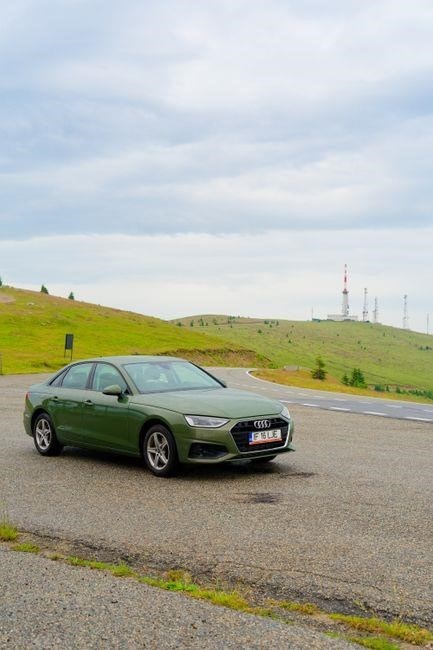
Audi manuals feature a lightweight, high‑strength steel case, a multi‑plate clutch with hydraulic release, and a synchromesh gear set that offers smooth shifts. The design eliminates the torque converter, reducing weight and improving efficiency, the clutch’s engagement delivers precise control. !
Torque Converter, Synchromesh, and Clutch Design
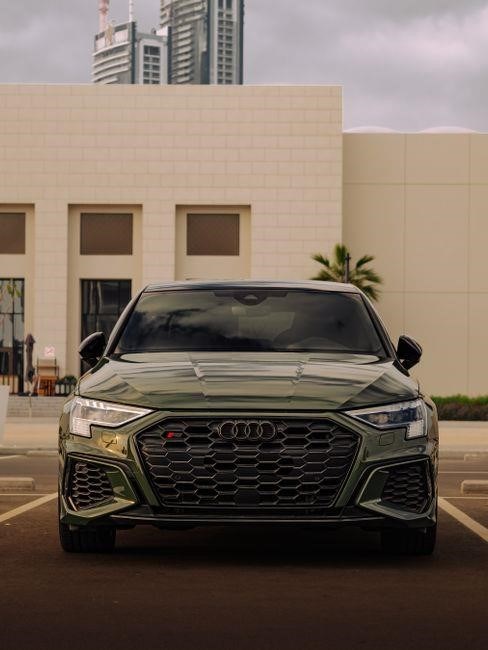
Audi’s manual gearboxes are built for performance and durability. With no torque converter, the engine’s torque is transmitted directly through a high‑strength steel case and a multi‑plate clutch that uses a hydraulic release for smooth engagement. The clutch’s split‑plate design allows precise modulation, reducing wear and improving shift feel. Synchromesh rings on each gear ensure clean, quiet shifts, thanks to high‑friction materials and finely tuned gear geometry. Audi uses lightweight aluminum in the bellhousing and a compact gear layout, cutting rotational mass for quicker response and better fuel efficiency. The overall design balances durability with driver engagement, making manual Audi models a favorite for enthusiasts who value the tactile connection between engine and road. The clutch’s hydraulic system is calibrated for consistent bite across a wide range of engine speeds, keeping power delivery smooth during aggressive acceleration. Audi’s close‑ratio gear spacing is optimized for both city driving and high‑speed performance, keeping the engine in its most efficient power band while preserving the sport feel Audi is known for.
Audi’s manual gearbox layout places the gear lever within easy reach, enabling shifts without compromising comfort. The clutch pedal’s progressive bite gives drivers precise torque control, while the synchromesh ratios balance smoothness with responsiveness. Engineers continually refine these components to keep the gearbox reliable and engaging, even under driving conditions for all driving styles daily.
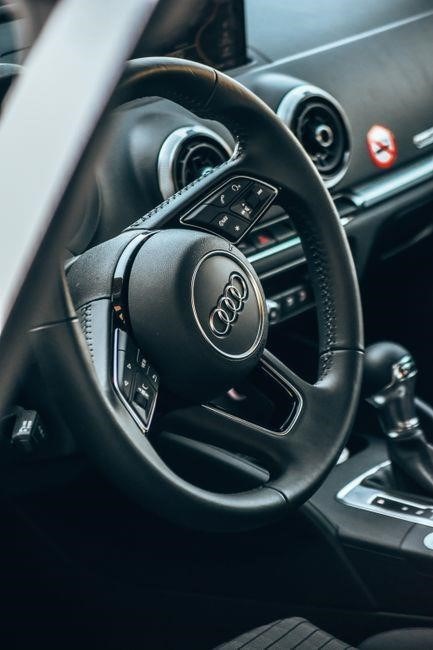
Future Outlook for Manual Transmissions in Audi
While electrification grows, Audi may revive manuals in niche hybrids, offering driver‑centric engagement. Limited‑edition models could feature lightweight gearboxes, preserving sport feel amid shifting market trends. and road tests confirm
Electric and Hybrid Models, and Potential Revival
As Audi accelerates its electrification roadmap, the company’s approach to manual gearboxes is evolving. In hybrid powertrains, a conventional clutch can coexist with an electric motor, allowing a driver‑selected “manual” mode that mimics gear‑shift feel while still benefiting from regenerative braking. Audi’s e‑Tron GT and Q4 e‑Sportback already feature a dual‑clutch system that can be engaged manually, offering a sport‑drive experience without sacrificing efficiency. For fully electric vehicles, the concept of a manual gearbox is inherently different; however, Audi has experimented with a “shift‑by‑wire” interface in concept models, letting drivers choose between torque‑vectoring modes that emulate gear changes. The brand’s limited‑scale, high‑performance hybrids could see a resurgence of manual transmissions in small‑scale, high‑performance hybrids, appealing to enthusiasts who value tactile engagement. Production numbers would remain modest, but the availability of a manual would reinforce Audi’s heritage of driver‑centric engineering. Market demand, as seen on enthusiast forums, indicates a niche but passionate audience, and Audi’s strategy could involve a “retro‑style” manual for select models, paired with modern electronic controls to maintain safety and performance standards. In summary, while the mainstream shift is toward electrified powertrains, a selective revival of manual transmissions in hybrid and electric contexts is plausible, blending tradition with innovation to satisfy both purists and eco‑conscious drivers alike. Hybrid manuals could become a niche hallmark for Audi’s performance line today!!?? Such a revival would honor Audi’s storied engineering heritage while providing a tangible link between past and future automotive innovation today!!???? Drivers will appreciate the tactile feedback that only a manual gearbox delivers!!??
