

Yoga Teacher Instruction: A Comprehensive Guide (as of 11/25/2025)
Today, November 25th, 2025, yoga thrives globally, with modern Hatha yoga gaining prominence as a fitness, stress-relief, and spiritual practice for all.
The Rise of Yoga in the Western World
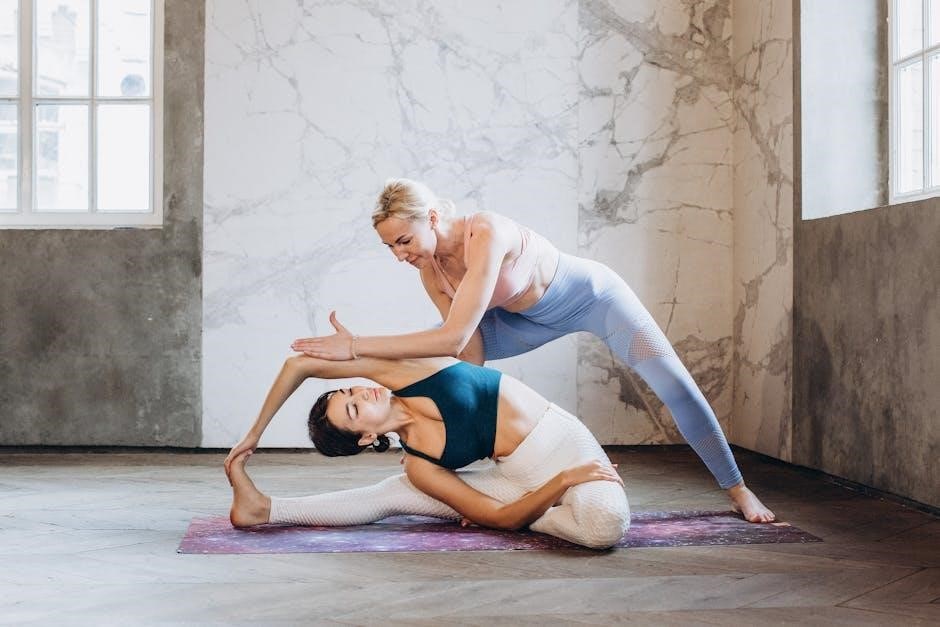
Yoga’s journey into the Western world represents a fascinating cultural exchange, evolving from ancient traditions to a widely embraced practice. Initially introduced through limited channels, its appeal grew steadily, fueled by a desire for holistic wellbeing.
By the late 20th and early 21st centuries, yoga transitioned from niche practice to mainstream fitness. This surge in popularity is linked to increased awareness of stress management techniques and a growing interest in alternative health modalities. Modern Hatha yoga, emphasizing physical postures (asanas), became particularly prominent, often marketed for its physical benefits.
Today, yoga is practiced worldwide, yet Western adaptations frequently prioritize posture-based fitness, stress relief, and relaxation. This evolution reflects a unique interpretation of the ancient practice, catering to contemporary lifestyles and needs. The accessibility of online resources, like Yoga With Adriene, has further democratized the practice, reaching diverse audiences.
Modern Hatha Yoga & Its Focus
Modern Hatha yoga, prevalent in the Western world, distinguishes itself through a strong emphasis on asanas – the physical postures. While rooted in traditional Hatha yoga principles, it often prioritizes the physical aspects of the practice, making it accessible as a form of exercise and stress reduction.
This contemporary approach frequently focuses on alignment, breathwork (pranayama), and mindful movement. However, the deeper philosophical and spiritual dimensions of yoga, such as the eight limbs outlined in Patanjali’s Yoga Sutras, may receive less attention in some modern interpretations.
The focus on physical fitness has broadened yoga’s appeal, attracting individuals seeking improved flexibility, strength, and balance. Simultaneously, it’s become a popular tool for managing stress, anxiety, and promoting overall wellbeing. This accessibility, coupled with the rise of online platforms, has solidified Hatha yoga’s position as a cornerstone of modern yoga practice.
Fundamental Yoga Poses for Beginners
Embarking on a yoga journey begins with mastering foundational poses. Standing poses, often introduced first, build strength and stability. These include Mountain Pose (Tadasana), establishing proper alignment, and Warrior poses (Virabhadrasana I, II, III), cultivating strength and balance.
Gentle forward folds like Standing Forward Bend (Uttanasana) stretch the hamstrings and spine. Backbends, such as Cobra Pose (Bhujangasana), gently open the chest and strengthen the back. Child’s Pose (Balasana) offers a restorative resting position.
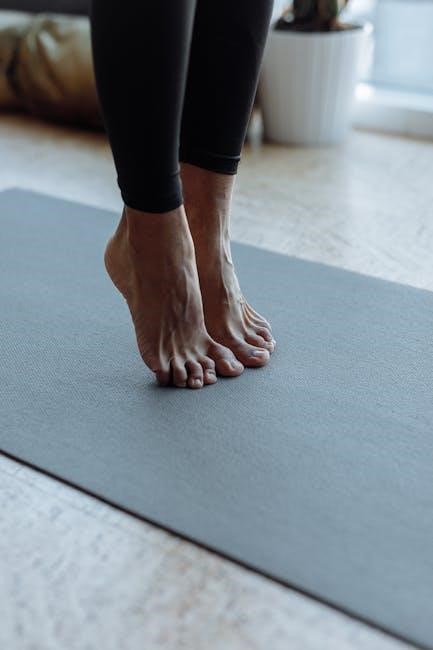
These poses, when practiced with mindful breath, create a solid base for more complex asanas. Prioritizing proper form over depth is crucial to prevent injury and cultivate a sustainable practice. Remember to listen to your body and modify poses as needed, honoring your individual limitations.
Standing Yoga Poses: A Foundation

Standing poses are integral to building a strong yoga foundation, enhancing balance, and cultivating body awareness. Mountain Pose (Tadasana), seemingly simple, establishes correct alignment – grounding through the feet, engaging the core, and lengthening the spine.
Warrior I (Virabhadrasana I) builds strength and stamina, opening the hips and chest. Warrior II (Virabhadrasana II) improves stability and focus, stretching the inner thighs and groins. Triangle Pose (Trikonasana) enhances flexibility and strengthens the legs.
These poses not only strengthen muscles but also promote mindful breathing and concentration. They prepare the body for more challenging postures and cultivate a sense of groundedness. Consistent practice refines alignment and deepens the connection between breath and movement, forming a solid base for your yoga journey.
Benefits of Regular Yoga Practice
Consistent yoga practice yields profound benefits for both physical and mental wellbeing. Physically, yoga enhances flexibility, strength, and balance, improving posture and reducing chronic pain. It supports cardiovascular health and boosts the immune system through increased circulation and detoxification.
Mentally and emotionally, yoga is a powerful tool for stress reduction and anxiety relief. The focus on breathwork (pranayama) calms the nervous system, promoting relaxation and mental clarity. Yoga cultivates mindfulness, encouraging present moment awareness and emotional regulation.
Regular practice can alleviate symptoms of depression, improve sleep quality, and foster a greater sense of self-awareness. It’s a holistic approach to wellness, integrating mind, body, and spirit for a more balanced and fulfilling life. Yoga truly benefits everyone.
Physical Health Benefits
Yoga’s physical advantages are extensive and well-documented. Practicing regularly significantly improves flexibility, allowing for a greater range of motion and reducing the risk of injury. Strength is built through holding poses, engaging multiple muscle groups simultaneously, and promoting lean muscle mass.
Balance and coordination are enhanced, crucial for preventing falls, especially as we age. Yoga improves posture by strengthening core muscles and aligning the spine. It can alleviate chronic pain conditions like back pain, arthritis, and carpal tunnel syndrome.
Furthermore, yoga boosts cardiovascular health by lowering blood pressure and improving circulation. It supports the immune system and aids in detoxification, contributing to overall physical vitality and a healthier lifestyle.
Mental & Emotional Wellbeing
Yoga profoundly impacts mental and emotional health, offering a powerful antidote to modern stressors. The practice cultivates mindfulness, encouraging present moment awareness and reducing rumination on the past or anxiety about the future. Regular yoga promotes relaxation, lowering cortisol levels – the hormone associated with stress.
It fosters a sense of calm and inner peace, improving mood and reducing symptoms of depression and anxiety. Yoga encourages self-awareness, helping individuals understand their emotional patterns and develop healthier coping mechanisms. The practice builds resilience, enabling individuals to navigate life’s challenges with greater ease.
Moreover, yoga can enhance self-esteem and body image, fostering a more positive relationship with oneself. It provides a space for self-reflection and personal growth, contributing to overall emotional wellbeing.
Yin Yoga: A Deeper Dive into Flexibility
Yin Yoga is a gentle, yet profound practice focusing on lengthening connective tissues – fascia – around the joints. Unlike more dynamic styles, Yin poses are held for extended periods, typically three to five minutes, allowing for a deeper release. This practice targets the deeper layers of the body, improving flexibility and joint mobility.
It’s an introspective practice, encouraging stillness and mindful awareness of sensations. Yin Yoga complements more active yoga styles, balancing the body and calming the nervous system. The long holds challenge both physical and mental boundaries, cultivating patience and acceptance.
Regular Yin practice can alleviate stiffness, increase circulation, and promote emotional release. It’s beneficial for all levels, particularly those seeking to deepen their flexibility and cultivate a sense of inner peace.
Santosha: The Yogic Principle of Contentment
Santosha, a core principle within the Yoga Sutras, translates to contentment, satisfaction, and acceptance of the present moment. It’s not about passively accepting hardship, but rather cultivating an inner sense of gratitude and joy, regardless of external circumstances. This practice encourages a shift in perspective, moving away from constant striving and towards appreciating what is.
For yoga teachers, embodying Santosha is crucial. It allows for a more compassionate and grounded approach to teaching, fostering a supportive environment for students. By radiating contentment, teachers inspire students to find their own inner peace.
Cultivating Santosha involves mindful awareness of thoughts and emotions, recognizing and releasing patterns of dissatisfaction. It’s a lifelong journey of self-discovery, leading to greater resilience, inner harmony, and a deeper connection to the present moment.
Free Online Yoga Resources
The digital age offers a wealth of accessible yoga resources, empowering both aspiring and established teachers. Platforms like YouTube host numerous channels providing diverse styles and levels of practice. This accessibility allows for continuous learning and inspiration, supplementing formal training.
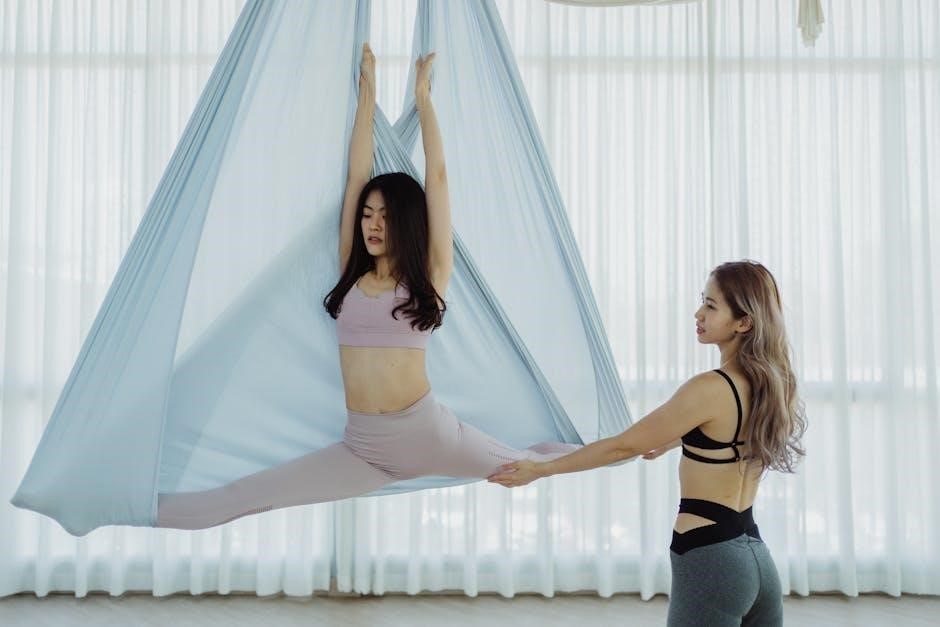
Adriene Mishler’s “Yoga With Adriene” stands out as a particularly popular and comprehensive resource. Her channel boasts a vast library of free videos, catering to all levels and addressing specific needs, from beginner sequences to targeted practices. This inclusive approach welcomes “all levels, all bodies, all genders, all souls!”
Exploring these online resources can broaden a teacher’s understanding of sequencing, modifications, and teaching cues. However, it’s vital to critically evaluate content and prioritize qualified instruction, using these tools to enhance, not replace, comprehensive training.
Adriene Mishler & Yoga With Adriene
Adriene Mishler, an Austin, Texas-based yoga teacher, has cultivated a global following through her YouTube channel, Yoga With Adriene. Her approach is remarkably inclusive, emphasizing accessibility and self-acceptance within the practice. Mishler’s philosophy centers around meeting students where they are, offering modifications and encouraging mindful movement.
The channel’s extensive library features a diverse range of videos, from beginner-friendly introductions to advanced flows, themed practices, and yoga for specific conditions. This breadth makes it an invaluable resource for both students and teachers seeking inspiration or supplemental material. Her welcoming demeanor and clear instruction foster a supportive learning environment.
Yoga With Adriene isn’t just about physical postures; it’s about building a connection to oneself and cultivating a consistent practice. Mishler’s emphasis on self-compassion and mindful awareness resonates deeply with a wide audience, making her a prominent figure in the online yoga community.
The Importance of a Supportive Yoga Studio Environment
A nurturing yoga studio transcends simply being a physical space; it’s a sanctuary fostering growth, self-discovery, and community. Open Circle, for example, exemplifies this, providing a non-judgmental atmosphere with a calming, zen-like ambiance. This environment is crucial, particularly for beginners who may feel self-conscious or intimidated.
Supportive studios prioritize inclusivity, welcoming all levels, bodies, genders, and backgrounds. Experienced instructors cultivate a sense of safety and encouragement, guiding students to explore their practice without pressure. This atmosphere allows individuals to connect with their inner selves and deepen their understanding of yoga.
Beyond the practice, a strong studio community offers connection and shared experiences. Workshops, events, and opportunities for social interaction build bonds and enhance the overall yoga journey. Ultimately, a supportive studio empowers students to embrace the transformative power of yoga.

Yoga as a Spiritual Practice
Yoga, at its core, is an ancient system encompassing physical, mental, and spiritual disciplines passed down through generations from teacher to student. While often recognized for its physical benefits, its spiritual dimension is profoundly significant. The practice isn’t merely about achieving postures; it’s a journey of self-discovery and connection to something larger than oneself.

Embracing spirituality through yoga requires dedicated work and intention. It involves cultivating mindfulness, self-awareness, and inner peace. The right expertise and a conducive setting are essential for unlocking yoga’s deeper potential. This path encourages introspection, ethical living, and a sense of interconnectedness with all beings.
Through consistent practice, yoga can lead to a profound shift in consciousness, fostering compassion, gratitude, and a deeper understanding of life’s purpose. It’s a holistic approach to wellbeing, integrating the body, mind, and spirit.
The Role of Expertise & Setting in Yoga
Achieving desired results in yoga necessitates both the right expertise and a supportive setting. The practice, while seemingly accessible, benefits immensely from guidance from a qualified instructor. A knowledgeable teacher can provide personalized adjustments, ensuring proper alignment and preventing injuries, while also deepening understanding of yogic principles.
The environment plays a crucial role too. A tranquil and non-judgmental space, like Open Circle studio, fosters a sense of safety and encourages exploration. Zen atmospheres promote relaxation and allow students to fully immerse themselves in the practice. This supportive context is vital for cultivating mindfulness and inner peace.
Without proper guidance and a conducive setting, the transformative potential of yoga may remain untapped. Expert instruction and a peaceful environment are key ingredients for a fulfilling and effective yoga journey.
Becoming a Certified Yoga Instructor
Embarking on the path to becoming a certified yoga instructor is a profoundly rewarding experience, offering a chance to share the life-changing benefits of yoga with others. The journey typically begins with a 200-hour Yoga Teacher Training (YTT), serving as a foundational stepping stone for aspiring educators.
This intensive training delves into asana alignment, anatomy, physiology, yoga philosophy, teaching methodology, and practicum. Successful completion equips individuals with the knowledge and skills to confidently guide students through safe and effective yoga classes. It’s a transformative process, deepening personal practice alongside developing pedagogical abilities.
Registered yoga teachers are uniquely positioned to positively impact lives. The ability to share this ancient wisdom and empower others is a privilege, fostering wellbeing and connection within communities. Continuing education further refines skills and expands expertise.
200-Hour Yoga Teacher Training: A Starting Point
The 200-hour Yoga Teacher Training (YTT) represents the foundational credential for aspiring yoga instructors, a widely recognized standard within the yoga community. This comprehensive program typically covers asana (postures) in detail, including alignment, modifications, and contraindications, ensuring safe and effective teaching practices.

Beyond the physical aspects, a 200-hour YTT delves into anatomy and physiology, providing a deeper understanding of the body’s systems and how they interact with yoga practice. Yoga philosophy, including the Yoga Sutras, is explored, offering a rich historical and ethical framework.
Crucially, the training incorporates teaching methodology, practicum sessions, and opportunities for students to practice leading classes. This holistic approach prepares graduates to confidently guide students of varying levels and abilities, laying a solid groundwork for a fulfilling teaching career.
Sharing the Benefits of Yoga: A Teacher’s Perspective
As a registered yoga teacher, the opportunity arises to profoundly impact lives by sharing the transformative benefits of this ancient practice. Witnessing students experience increased flexibility, reduced stress, and improved mental clarity is incredibly rewarding. Yoga’s power extends beyond the physical, fostering a deeper connection to self and cultivating inner peace.
Effective teaching involves creating a safe and inclusive space where students feel comfortable exploring their practice at their own pace. Offering modifications and personalized guidance ensures accessibility for all levels and abilities. A teacher’s role is not merely to demonstrate poses, but to empower students to listen to their bodies and honor their individual needs.
Ultimately, sharing yoga is about facilitating a journey of self-discovery and wellbeing, inspiring others to embrace a healthier and more mindful lifestyle.
Internationally Acclaimed Yoga Teachers & Trainers
The world of yoga boasts numerous influential figures who have shaped the practice and inspired countless individuals. Adriene Mishler, founder of Yoga With Adriene, has revolutionized accessibility with her free online videos, welcoming “all levels, all bodies, all genders, all souls!” Her approachable style and emphasis on self-compassion have garnered a massive following.
Many other teachers stand as pillars in the yoga community, offering specialized training and guidance. These internationally-acclaimed instructors often serve as teacher trainers, passing down their knowledge and expertise to the next generation of yoga educators. Their dedication to the tradition and innovation within the practice continues to elevate the standards of yoga instruction globally.
Exploring the work of these leaders provides aspiring teachers with valuable insights and inspiration for their own journeys.
The Yoga Teacher-Student Relationship
At its core, yoga is an ancient system passed down “from teacher to student,” emphasizing a deeply personal and transformative connection. A supportive environment, like that found at Open Circle studio, fosters comfort and non-judgment, crucial for student growth. Effective teachers understand this dynamic, creating a safe space for exploration and self-discovery.
The teacher’s role extends beyond simply guiding poses; it involves cultivating trust, offering individualized attention, and inspiring students to embrace the practice. This relationship is built on mutual respect and a shared commitment to wellbeing. Sharing the benefits of yoga, as a registered teacher does, requires sensitivity and understanding of each student’s unique needs.

Ultimately, a strong teacher-student bond unlocks the full potential of the yogic journey.
Continuing Education for Yoga Teachers
The path of a yoga teacher isn’t static; ongoing learning is vital for growth and refinement. Internationally acclaimed teachers and trainers offer advanced workshops and programs, deepening understanding of anatomy, philosophy, and teaching methodologies. Expanding expertise allows instructors to cater to diverse student needs and adapt to evolving practices.
Continuing education ensures teachers remain current with the latest research and best practices, enhancing their ability to guide students safely and effectively. This commitment to lifelong learning demonstrates a dedication to the tradition and a desire to provide the highest quality instruction. It’s a necessary step in embracing the full potential of yoga’s transformative power.
Investing in oneself ultimately benefits the students and the wider yoga community.
Building a Successful Yoga Teaching Career
Becoming a registered yoga teacher is just the beginning; cultivating a thriving career requires dedication and strategic planning. Sharing the benefits of yoga with others is rewarding, but establishing a sustainable practice demands business acumen. Networking within the yoga community, attending workshops, and seeking mentorship are crucial steps.
A supportive yoga studio environment can provide opportunities for growth, while building a personal brand through social media and online platforms expands reach. Offering diverse class formats – from beginner-friendly sessions to specialized workshops – attracts a wider audience. Remember, consistent teaching, genuine connection with students, and a passion for the practice are key ingredients for long-term success.
Embrace the journey and let your love for yoga shine!
The Future of Yoga Instruction
The landscape of yoga instruction is evolving rapidly, driven by technology and a growing demand for accessible wellness practices. Free online yoga resources, like Yoga With Adriene, demonstrate the power of digital platforms in reaching global audiences. This trend suggests a future where hybrid models – blending in-person classes with virtual offerings – become increasingly common.
Continuing education for yoga teachers will be paramount, with a focus on specialized training and innovative teaching methodologies. Internationally acclaimed yoga teachers will likely play a key role in shaping these advancements. Expect greater emphasis on inclusivity, catering to diverse body types and abilities.

Ultimately, the future of yoga instruction lies in fostering authentic connections and empowering individuals to embrace the transformative power of the practice.